
Flavour is mostly smell
Also searched as: taste and smell, retronasal smell, aroma, cold food tastes of nothing, nose and flavour
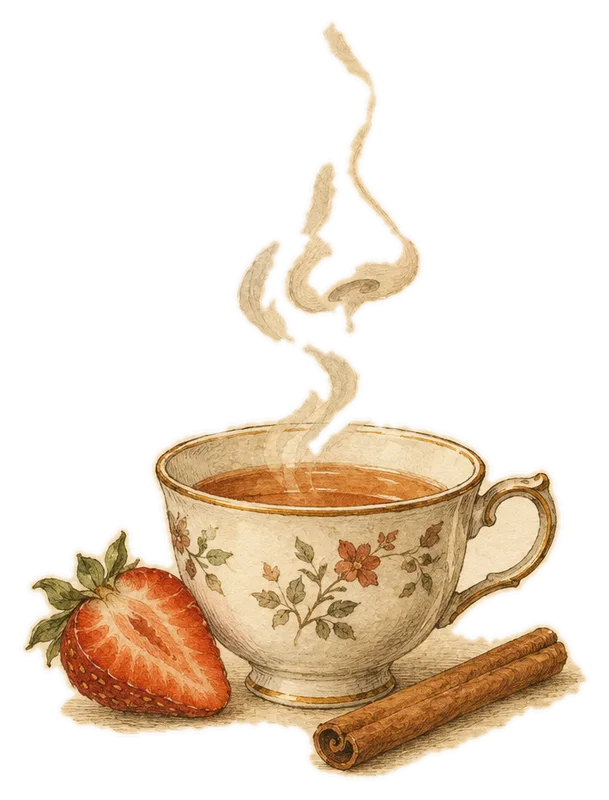
In short: The tongue only recognises five basic tastes. Everything else, from strawberry to cinnamon, is smelled by the nose, including from the inside while you chew.
Like a chimney with two openings: the scent comes in at the front, but also from the back of the mouth up through the shaft.
What happens
As you chew and swallow, aroma compounds rise from the back of the mouth into the nose (retronasal). The brain places this impression on the tongue, so we take it for taste. With a blocked nose, only sweet, sour, salty, bitter and umami remain. Aroma compounds are volatile: warm food releases more of them than cold.
Why it matters
Explains why food tastes bland when you have a cold, why cold dishes need stronger seasoning and why herbs go in at the end.
Rules of thumb
- Season food served cold more strongly, and taste it cold.
- Add delicate herbs and lemon zest just before serving: their aroma compounds escape in the heat.
- Toast spices briefly in fat: many aroma compounds dissolve in fat and are released that way.
Levers
2
In practice
2
Herbs & spices
Basil, coriander and parsley lose their fresh scent when cooked along.
Coffee and tea
Freshly ground coffee smells stronger because its aroma compounds have not yet escaped.
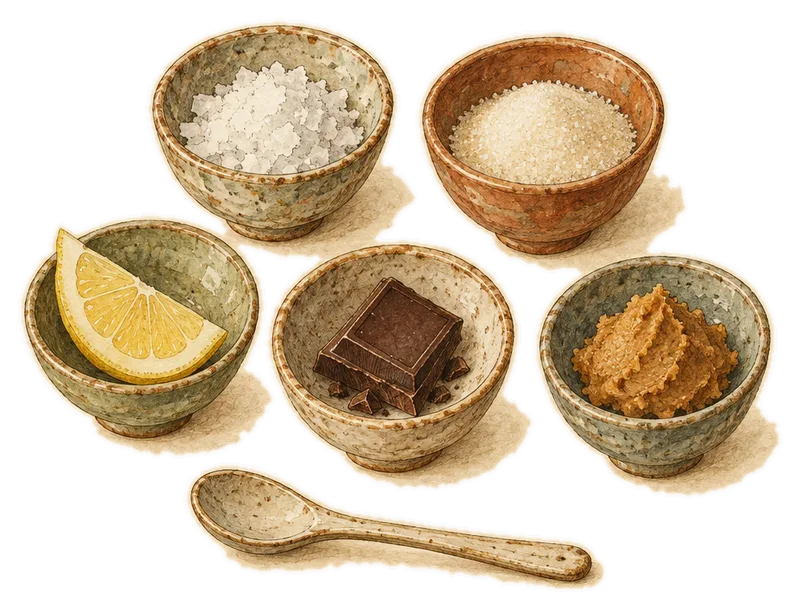 How tastes change one another
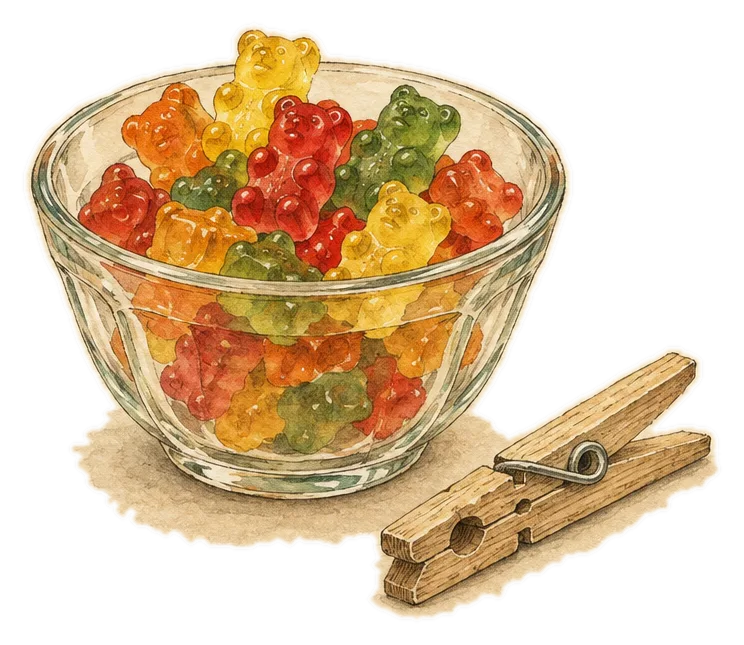 With your nose pinched, you only taste sweet
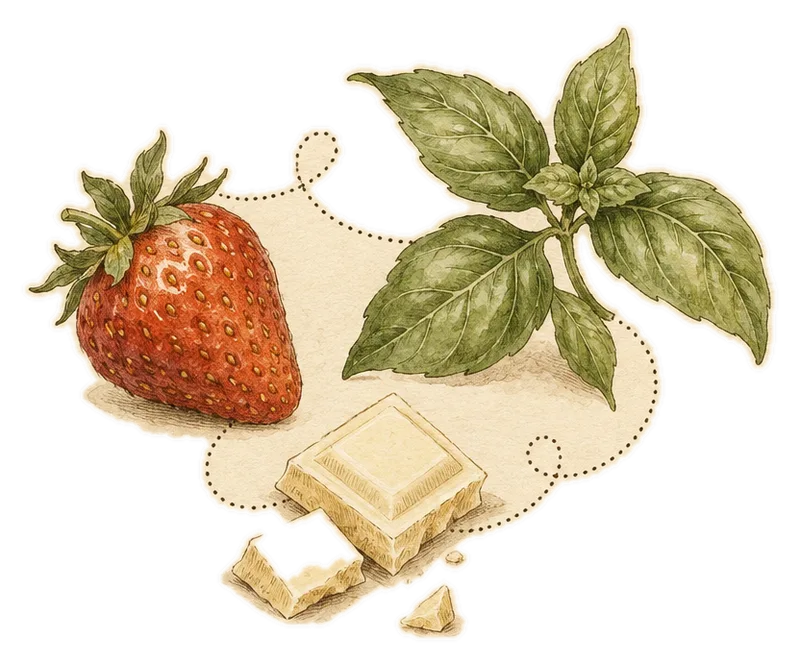 Flavour pairing: do shared aromas go together?
Something not right, or a question about it? Write to me →
Sources · 2
- Harold McGee: On Food and Cooking (2004), Kapitel Geschmack und Aroma
- Gordon M. Shepherd: Neurogastronomy. How the Brain Creates Flavor (2012)