
Chemical leavening
Also searched as: baking powder, baking soda, bicarbonate of soda, raising agent, leavening, cake rises
In short: Baking powder and baking soda form gas bubbles with acid and moisture. In the oven they expand until the batter sets.
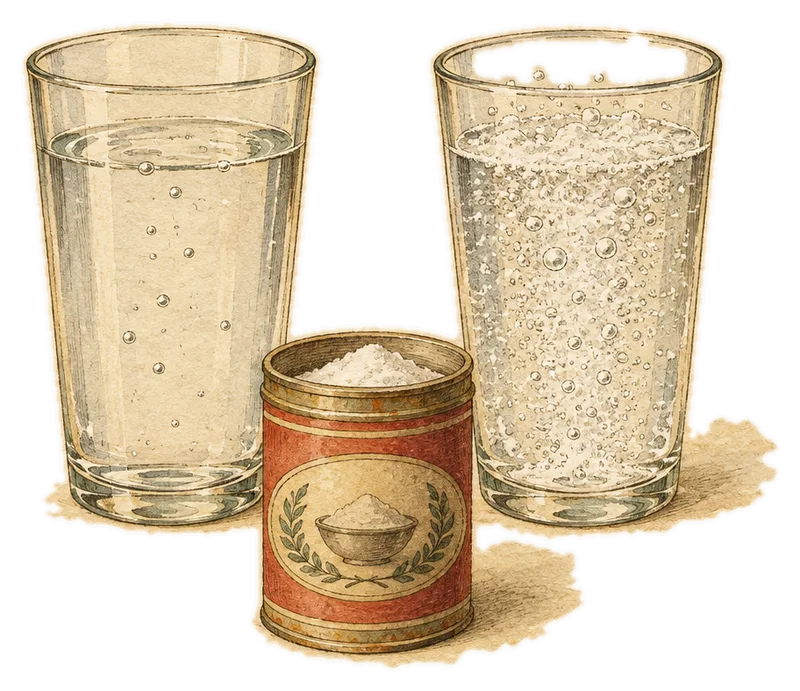
Like a fizzy tablet in water: base and acid meet and bubble.
Simplified model
What happens
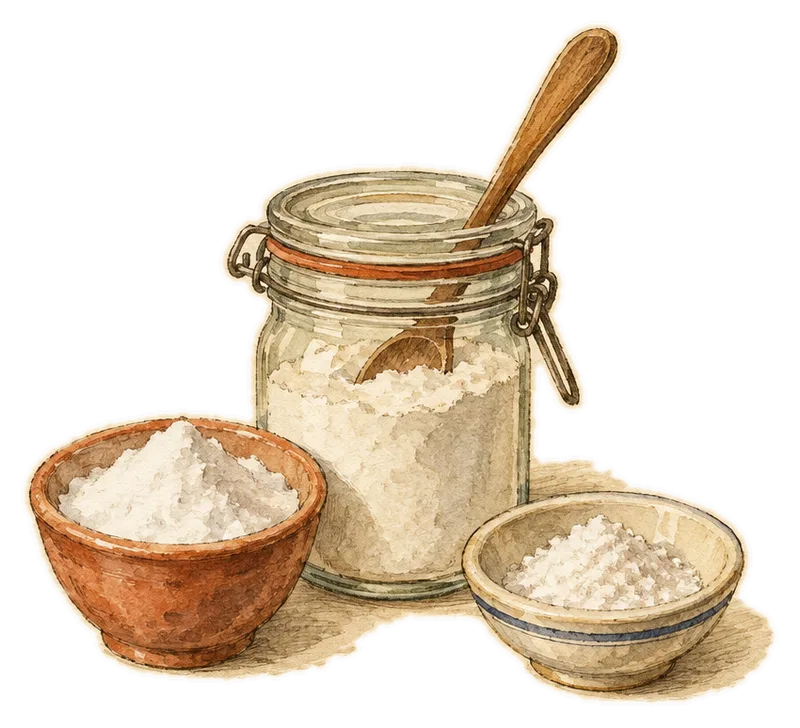
is a base. When it meets and water, carbon dioxide forms. brings its own acid: one part reacts as soon as you mix, a second part only in the heat of the oven. That way the cake rises exactly when it is in the oven. Once the batter sets, the bubbles stay trapped.
Why it matters
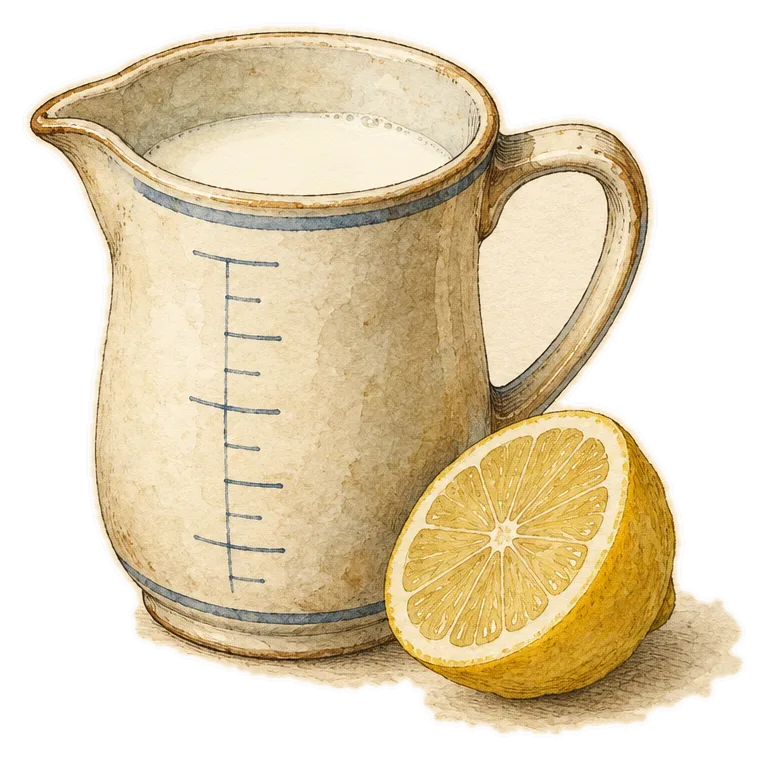
Explains why baking soda needs buttermilk or yoghurt, why batter should not stand around for ages and why too much raising agent makes the cake collapse.
Rules of thumb
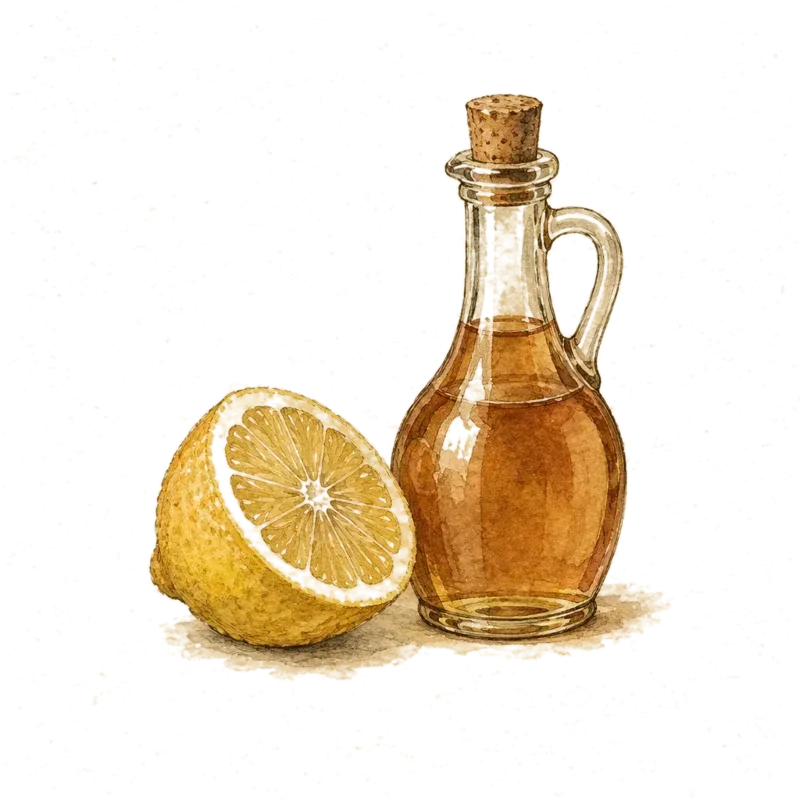
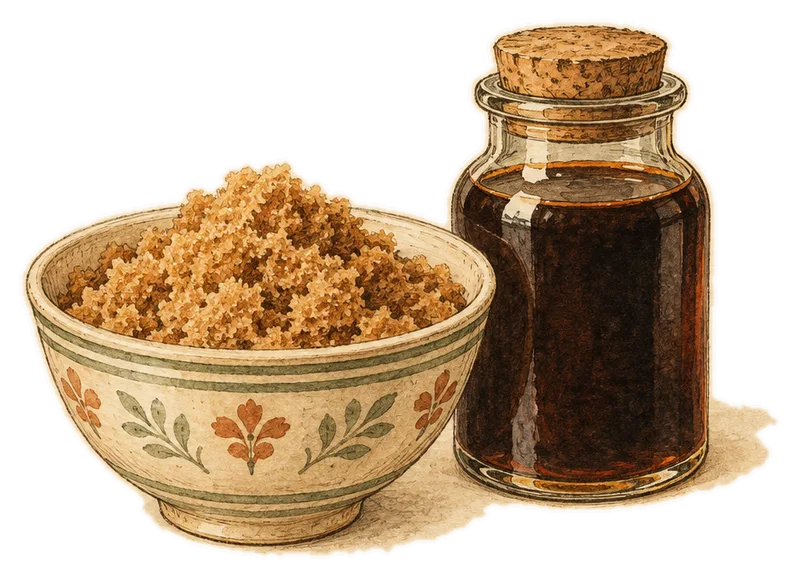
- Use baking soda only with acid in the recipe (buttermilk, yoghurt, lemon, honey).
- Bake a batter with baking powder soon.
- Too much raising agent tastes soapy and makes the cake collapse.
Levers
3
“More baking powder makes a taller cake.” Only up to a point. Too much gas makes the batter rise faster than it sets, and it collapses.
In practice
2
Cakes and baking
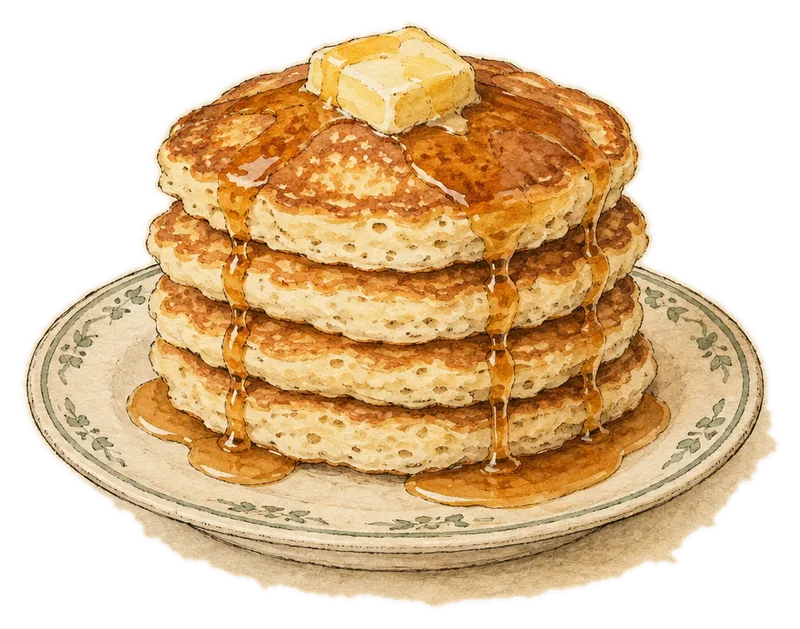
Muffins, sponge cakes, pancakes: baking powder. Buttermilk scones and gingerbread: often baking soda.
Bread
Irish soda bread rises without any yeast, with just baking soda and buttermilk.
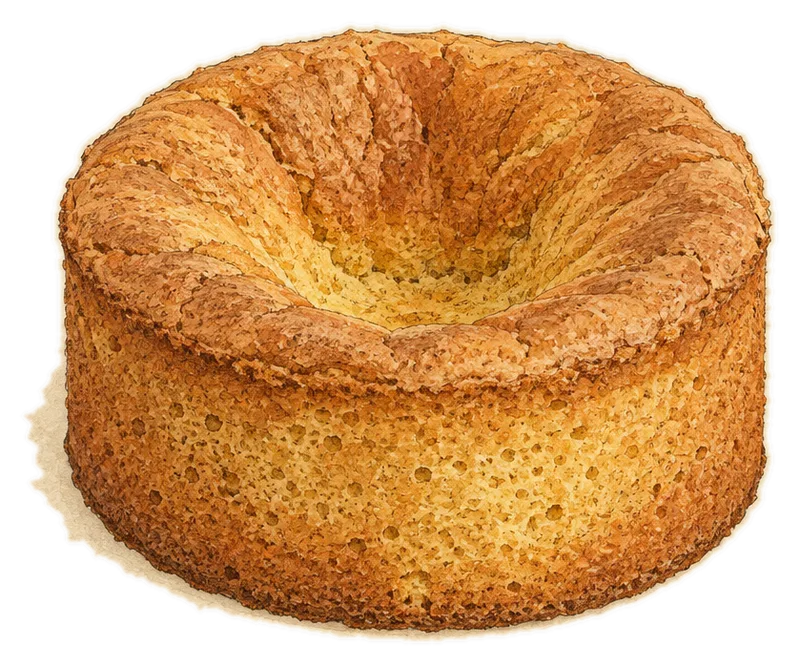 Cake sinks
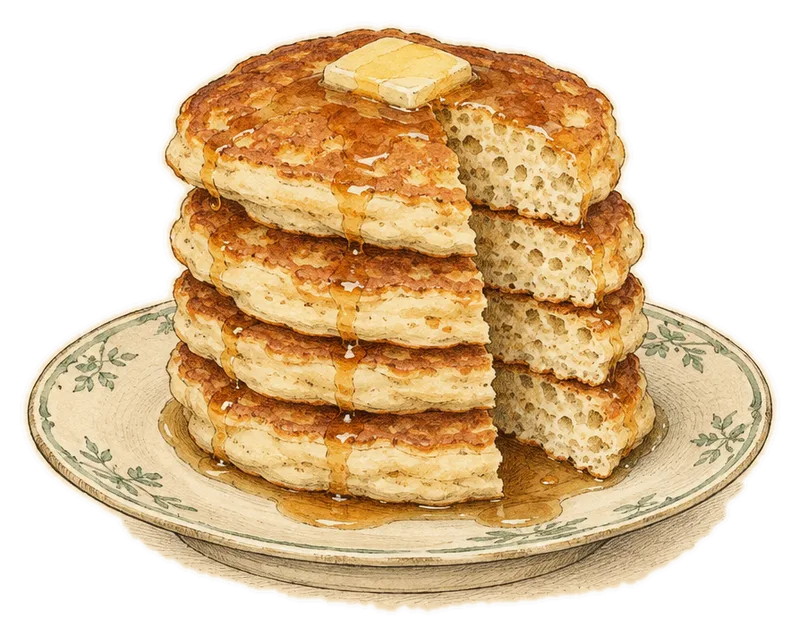 Fluffy
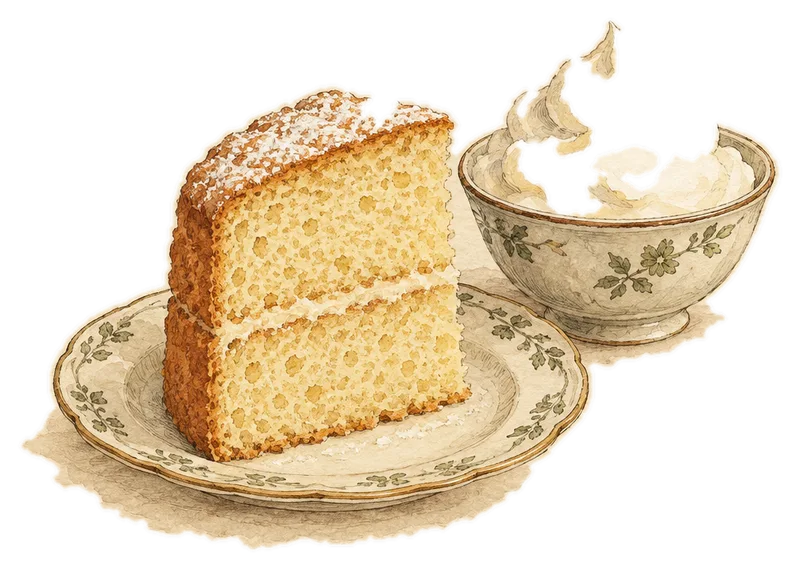 Light and airy
Sources · 2
- America’s Test Kitchen: Baking powder vs. baking soda
- Harold McGee: On Food and Cooking (2004), Kapitel Kuchen, Gebäck, Zucker